







Search Results for: coffee additives
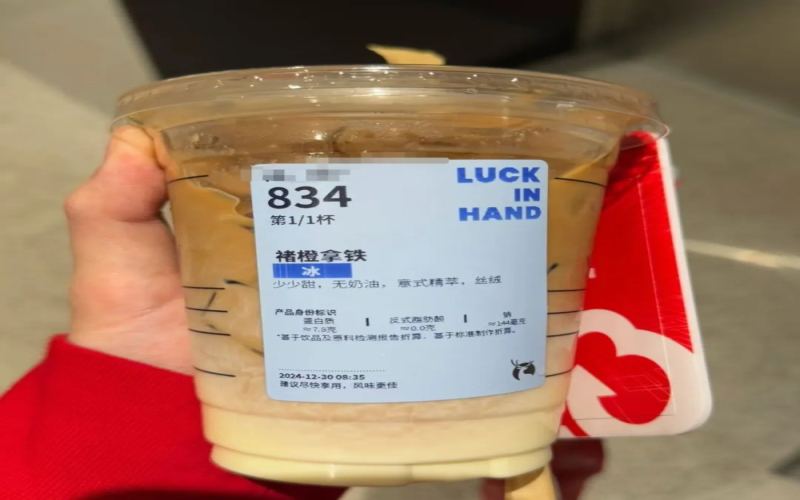
Luckin Employee Exposé on Additives in Flavored Drinks: Inside the Chain Coffee Syrup Mixing Scandal Sparking Heated Debate
Nowadays, more and more young consumers carefully study drink recipes and calorie data before placing an order, and brands have followed suit by introducing health labels that indicate caffeine, calories, and other information. Luckin recently joined this trend, but what seemed like a thoughtful move triggered an uproar after an internal employee's expose. The employee pointed directly at flavored lattes containing syrup, saying they contain large amounts of additives, and even advised health-conscious customers to avoid such products as much as possible. Once the post appeared, many Luckin workers chimed in, and consumers began to re-examine the cup of flavored coffee in their hands. What industry truth is hidden behind this? Should chain brands' syrups and modified milk really be viewed with caution? [more…]
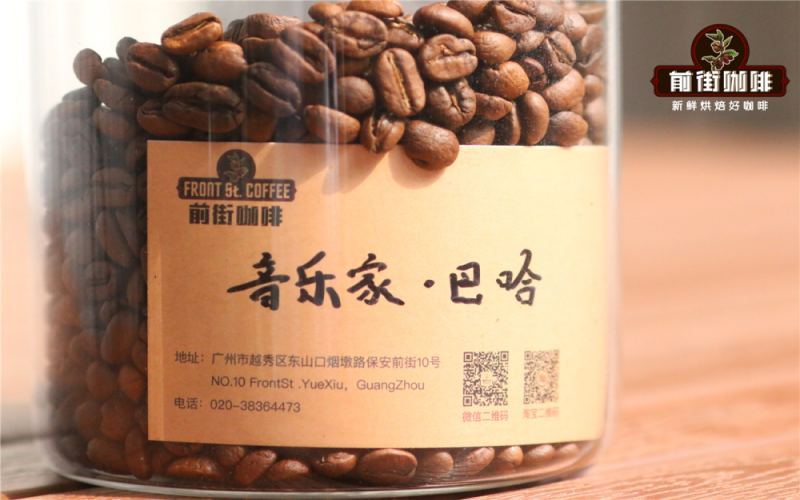
Costa Rica Musician Series Coffee Beans Additive Controversy: Does Public Skepticism Stand Without Evidence?
Recently, the Costa Rica Musician series coffee beans have been thrust into the spotlight, with a public account publishing a series of articles questioning whether they contain added flavorings or even pineapple peel, and claiming that the bean merchant destroyed evidence. After reading through the entire course of the incident, Front Street Coffee believes that these accusations remain at the level of speculation and lack substantive test reports. This article focuses on the three major elements of specialty coffee—variety, altitude, and processing method—to sort out the floral and fruity aromas that anaerobic fermentation and natural processing may bring, explore the boundary between public questioning and the legal burden of proof, and reiterate that making reckless accusations when evidence is insufficient is equally worthy of caution. [more…]
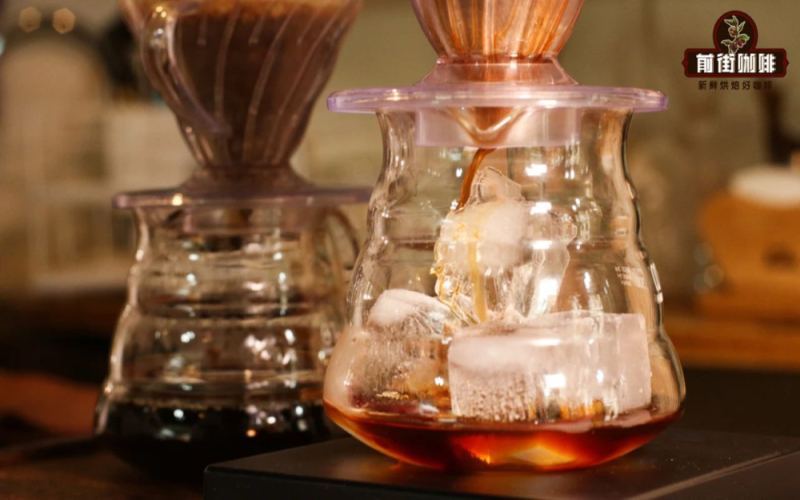
Iced Pour-Over Coffee Recipe and Practical Comparison: How a 15g Dose Ratio and Ice Addition Order Affect Flavor
Iced pour-over coffee has gained popularity among many enthusiasts in recent years, but the details during brewing often determine the final flavor direction. Front Street Coffee uses 15 grams of coffee grounds and a 1:10 coffee-to-water ratio as the foundation, paired with 100 grams of ice for cooling and dilution, and conducts a side-by-side comparison experiment on the two methods of adding ice first versus adding ice later. This article fully presents the experimental parameters, brewing process, and sensory differences, while also sharing the flavor performance of the Kafa Forest Ethiopian washed bean, helping readers understand the specific effects of ice addition timing on coffee cleanliness, aroma intensity, and mouthfeel changes, providing reference adjustment ideas for daily brewing. [more…]

Mixue Ice Cream & Tea's Egg Pudding Quietly Changes Recipe, White Milk Pudding Launch Sparks Customer Controversy and Cost Discussions
Recently, a classic topping at Mixue Bingcheng—egg pudding—unexpectedly turned into a milky white milk pudding without any notice, surprising and even upsetting many longtime customers. Some complained about a strong milky odor and bland taste, while others speculated that the brand had changed the recipe to cut costs. However, store employees revealed that the new recipe actually uses more refined ingredients, requires the addition of fresh milk, slightly increases costs, and contains fewer additives. Behind this pudding color-change controversy, is it a healthy upgrade or a compromise on consumer taste? This article will walk you through the course of events, what employees say, and the overall direction of Mixue Bingcheng's topping recipe adjustments. [more…]
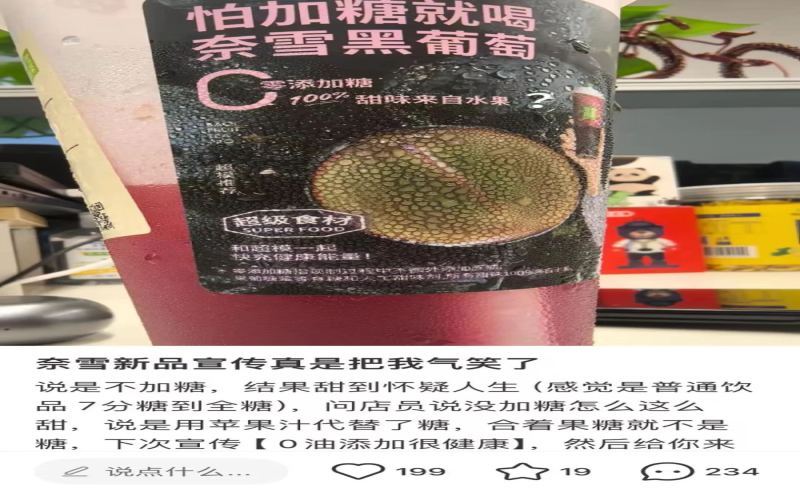
Nayuki's new drink claims no added sugar yet is explosively sweet—the truth behind healthy marketing of juice-based sugar substitutes
Recently, Nayuki launched "Unsweetened · Nayuki Black Grape," promoted as having 0 added sugar with all sweetness coming from fruit, yet it drew complaints from consumers for being too sweet. The brand replaced sucrose with apple juice, but concentrated apple juice can have a sugar content exceeding 50, meaning the actual sugar content of the entire drink is not low. This approach is similar to the strategy some brands use of hiding additives in ingredients, maintaining sweetness while preserving the "healthy" selling point. Consumers' impression of juice as naturally burden-free is being exploited, while the risk of blood sugar spikes remains. This article sorts out the ins and outs of the incident and includes related product information from Front Street Coffee, exploring the trade-off tea beverage brands face between taste and health. [more…]

Starbucks earns an additional 7.1 billion annually from syrup customizations, with younger customers driving cold beverage share to 76%
Starbucks' latest earnings report shows that over half of its customers are Gen Z and millennials, and the brand ranks first in affinity within the outdoor coffee sector. Young consumers are keen on personalization and social media sharing, driving cold beverages to account for 76% of total sales at company-operated stores. High-margin syrups and sauce add-ons bring Starbucks about $1 billion (7.174 billion RMB) in additional revenue each year, and daily foot traffic has recovered to 95% of pre-pandemic levels. Front Street Coffee continues to follow coffee industry developments, breaking down for you the business logic and consumer trends behind the customization wave. [more…]

Tea Yan Yue Se Complained by Customer for Not Providing Hot Water, Netizens Hotly Debate the Boundaries of Additional Services at Tea Beverage Shops
Recently, a customer's complaint about Cha Yan Yue Se on social media sparked widespread discussion. The customer, because a pregnant friend was feeling unwell, went to a Cha Yan Yue Se store in a Changsha mall to ask for a cup of warm water, but was told that the store had no cups available and could not provide it. She then went upstairs to CHAGEE, where the staff immediately gave her a large cup of hot water. In this comparison, the poster's feelings about the service of the two brands were completely different. After the post was published, netizens' opinions split into two sides: some believed CHAGEE's service was more humane, while some local Hunan consumers defended Cha Yan Yue Se, pointing out that Cha Yan Yue Se stores keep free drinking water and customer cups available year-round for passersby to take on a self-service basis, and this time it may simply have been that the cups happened to run out. Cha Yan Yue Se employees also came forward to explain that the store has strict rules on the use of paper cups, and using takeaway cups to hold free hot water requires paying out of pocket. In this controversy, who is actually right and who is wrong? Has the additional service of tea beverage shops been taken for granted? Let us look at the full picture of the incident together. [more…]

Milk tea shop "Black Coconut Strawberry Milk" investigated for illegal use of vegetable carbon black, food safety concerns resurface
In recent years, dark-themed beverages marketed for their "black" appeal have proliferated in the food and beverage market, attracting many curious consumers with their unique appearance. However, such products may harbor food safety risks. Recently, the Market Supervision Bureau of Xuhui District, Shanghai, discovered during an inspection of a milk tea shop that its "Black Coconut Strawberry Milk" was unusually dark black in color. An investigation confirmed that the staff had illegally added "vegetable carbon black" during preparation. This act violated food additive usage standards, and the shop was ordered to rectify the issue and was penalized. Notably, the brand involved is none other than "Benz Tea," which went viral last year, with its first Hangzhou store setting a record of thousands queuing and scalpers reselling cups for as much as 300 yuan. This incident once again reminds us that creative beverages must also strictly adhere to safety bottom lines. [more…]
Analyzing the Aroma Sources of Rose Valley Coffee Beans: How to Distinguish Natural Fermentation Flavors from Artificial Flavor Additives
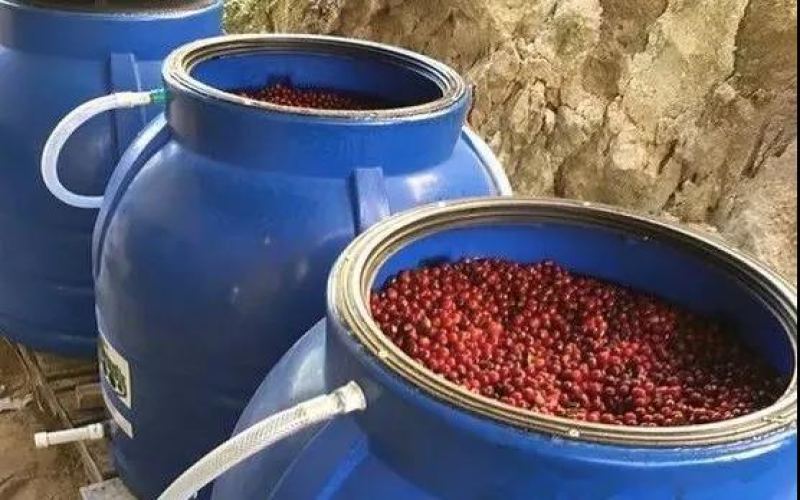
Some coffee beans release an intense floral and fruity aroma the moment you open the bag, making it hard not to wonder whether flavoring has been added. Front Street Coffee's Colombia Rose Valley is one that gets asked about often—does its rose aroma come from natural processing or artificial additives? This article starts with the principles of anaerobic fermentation, explains the specific process of double anaerobic enzyme fermentation, and takes a deep dive into the cultivation and processing details of Finca El Arbol in Colombia's Santander region. It also analyzes the characteristics of the Caturra variety, and finally answers the question of whether specialty processed coffee beans affect health, helping you build a basic framework for identifying flavored beans. [more…]

South America Hit by Dual Blow of Drought and Wildfires: Colombia's Coffee Production Declines, Inventories Dwindle, Exports Under Pressure as Prices Rise
A drought and forest fires lasting for months are sweeping across South America, and Colombia has not been spared. Forests in many places have been burned, water sources are running dangerously low, the water level of the Amazon River has plummeted, and Cauca Department has suffered its worst fires in nearly three decades, with large numbers of coffee crops damaged. Water rationing policies have left coffee farmers in a dilemma: insufficient irrigation affects yields, while exceeding water limits brings fines. The latest data show that Colombia's coffee production had fallen to 1.05 million bags in August, with inventories down 7.2% month on month. As the world's third-largest coffee-producing country, declining output and inventories are pushing up international coffee prices. [more…]
Comparison of Ice Addition Timing for Iced Hand-Brewed Coffee: An Analysis of Front Street's Japanese-Style Iced Hand-Brew Parameters and Sensory Differences
Should ice be added before or after brewing when making iced pour-over coffee? This question puzzles many coffee lovers. Front Street Coffee conducted a controlled experiment using 15 grams of Kaffa Forest coffee beans, a 1:10 coffee-to-water ratio, a water temperature of 90-91°C, and a grind setting of 9 on an EK43s grinder, testing two brewing sequences: ice added first and ice added last. The experiment found that after thorough shaking, the two methods performed quite similarly overall, but the coffee with ice added first tasted cleaner and more refreshing, while the one with ice added last had a more concentrated and intense aroma. The root of the difference lies in how much ice melts. This article will present the complete experimental parameters, step-by-step procedure, and sensory comparison results to help readers understand how the timing of ice addition affects the flavor of iced pour-over coffee. [more…]
Brain Platinum Opens Cross-Industry Coffee Pop-Up Store; Complicated Free Drink Rules Spark Controversy
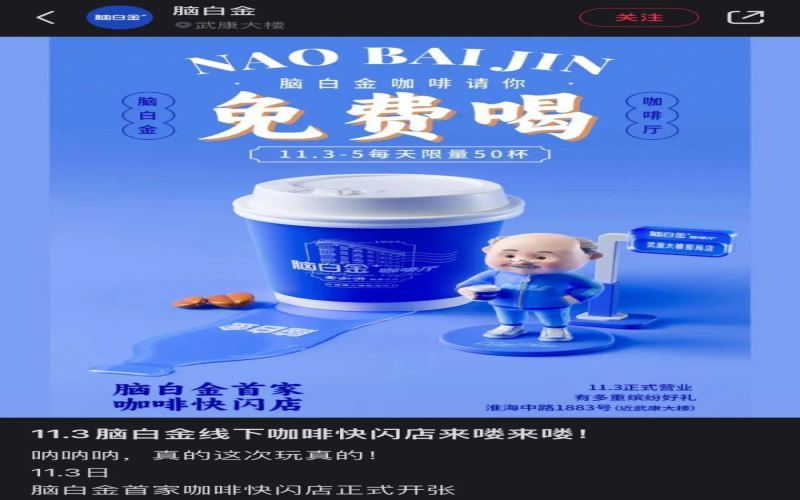
On November 3rd, the health supplement brand Nao Bai Jin opened its first coffee pop-up store in Shanghai, claiming that during the event it would give away 50 cups of coffee and merchandise for free every day. However, this cross-industry attempt sparked dissatisfaction among participants due to complicated rules, chaotic on-site management, and staff treating people differently. Some netizens complained that without multiple social media apps, there was no chance of getting free coffee. In addition, the so-called "Nao Bai Jin Latte" was criticized as being just an ordinary latte with no special additions. Nao Bai Jin tried to leverage the popularity of the coffee sector to attract young consumers, but the event lacked highlights and its effectiveness is questionable. [more…]
Complete Guide to Arabica Coffee: Origins, Variety Characteristics, and Processing Method Flavor Guide
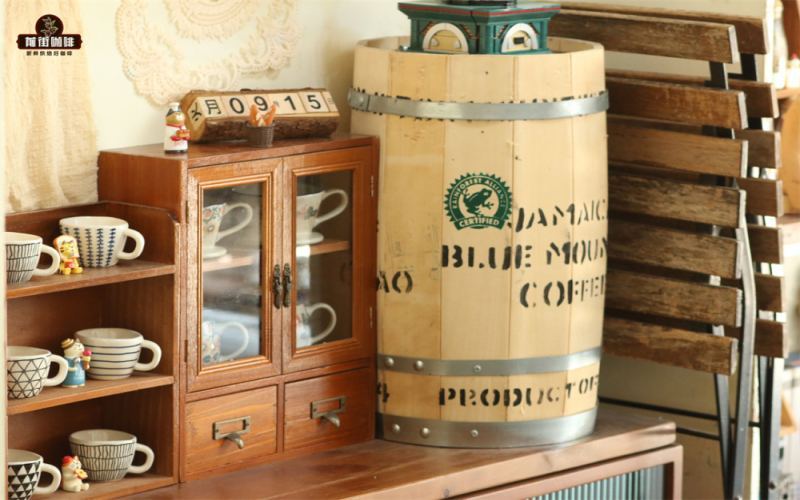
Coffee belongs to the Rubiaceae family, with over a hundred known species, but commercial cultivation is dominated by three major types: Arabica, Robusta, and Liberica. Among them, Arabica, with its outstanding aroma and flavor, accounts for over seventy percent of global production and is the core raw material for single-origin and specialty coffee. This article will systematically review the varietal characteristics, advantages and disadvantages, and sub-varieties of Arabica, and introduce one by one the cultivated varieties, processing methods, grading standards, and flavor profiles of representative producing countries such as Brazil, Colombia, Panama, Guatemala, Costa Rica, Jamaica, Ethiopia, Kenya, and Indonesia. It will also incorporate Front Street Coffee's sourcing experience and recommendations to help coffee enthusiasts build a complete framework for understanding origins. [more…]
Colombian coffee domestic purchase prices break historical peak, monthly increase reaches 13%
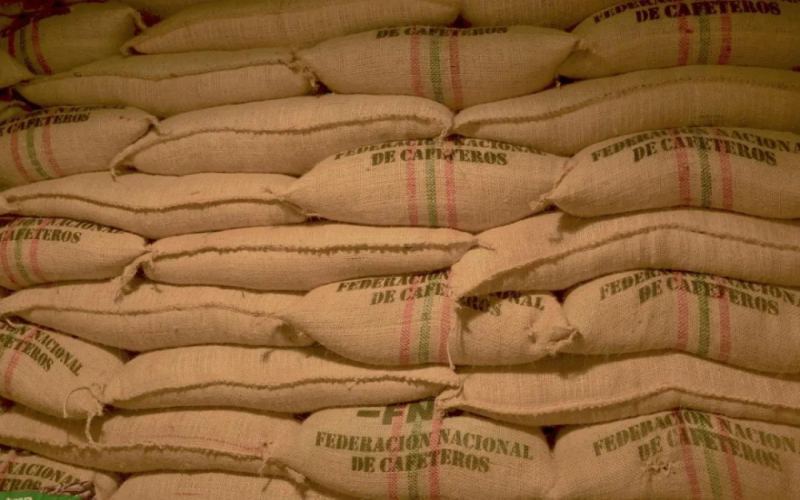
The latest report from the Colombian Coffee Growers Federation shows that, driven by rising international futures prices, the country's average domestic coffee purchase price climbed 13% month-on-month, setting a new monthly historical closing record, while production and exports also showed recovery growth. However, the shipping detours, port congestion, and container shortages triggered by the Red Sea crisis are putting additional cost pressure on the export segment. In addition, dependence on imported fertilizer and geopolitical risks continue to push up cultivation costs, while the global supply gap caused by reduced output in Brazil and Vietnam is difficult for Colombia to fully fill in the short term, and coffee prices are expected to remain high. [more…]
Arabica Coffee Bean Buying Guide: Variety Characteristics, Reasons for Higher Prices, and Analysis of Representative Global Producing Regions
Why has Arabica coffee bean become synonymous with specialty coffee, and why is its price consistently higher than Robusta? Starting from plant taxonomy, this article systematically reviews Arabica's flavor advantages and cultivation limitations, and one by one explains the varietal characteristics, processing methods, and grading standards of representative producing regions around the world such as Brazil, Colombia, Panama, and Ethiopia. The article also combines Front Street Coffee's store selection and recommended bean list to provide coffee enthusiasts with a reference that is both informative and practical. [more…]
Why Are Arabica Coffee Bean Prices Staying So High? A Full Analysis of Specialty Bean Flavors and Grading Across Origins
Why are Arabica coffee beans priced higher? This article approaches the topic from plant taxonomy, analyzing the differences among the three major cultivated species—Arabica, Robusta, and Liberica—explaining why Arabica has superior flavor but weak disease resistance and is suited to high-altitude cultivation, and introducing one by one the varieties grown, processing methods, and grading standards of well-known origins such as Brazil, Colombia, Panama, Guatemala, Costa Rica, Jamaica, Ethiopia, Kenya, and Indonesia. At the same time, combined with Front Street Coffee's stores and bean list recommendations, it helps coffee enthusiasts understand the pricing logic of Arabica and how to choose. [more…]
A Comprehensive Analysis of Coffee Bean Varieties: Arabica Variety Classification and Representative Beans from Major Global Origins
Coffee, as a plant of the Rubiaceae family, has over a hundred known species, but only three cultivated varieties are actually used for drinking: Arabica, Robusta, and Liberica. Among them, Arabica occupies about seventy percent of global production with its exceptional flavor and aroma, making it the top choice for single-origin and specialty coffee. From Ethiopia's native Typica and Bourbon to the Geisha that has swept the market today, Arabica subspecies are rich and diverse, each with its own characteristics. At the same time, origins such as Brazil, Colombia, Panama, Guatemala, Costa Rica, Jamaica, Ethiopia, Kenya, and Indonesia, by virtue of their unique terroir and processing methods, shape distinctly different coffee flavors. Front Street Coffee offers more than 50 different regional coffee beans in its stores, meeting diverse taste needs. This article will systematically sort out coffee variety classification, the advantages and disadvantages of Arabica, and representative global origins, taking you to gain a deeper understanding of the rich landscape of the coffee world. [more…]

The problem of water pollution is serious! Many areas in Costa Rica are short of water.
It is known that Costa Rica is a country with very rich water resources and geothermal resources, and Costa Rica also attaches great importance to agricultural development. It is a globally important exporter of pineapples, bananas, and coffee, and i [more…]
Arabica Coffee Bean Buying Guide: Major Origin Brand Recommendations and the Deep Reasons Why Prices Are Higher Than Robusta
Why are Arabica coffee beans generally more expensive than Robusta? Which Arabica origins around the world are worth paying attention to? Starting from plant taxonomy, this article systematically sorts out Arabica's flavor advantages and cultivation shortcomings, and introduces one by one the variety characteristics, processing methods, and grading standards of core producing regions such as Brazil, Colombia, Panama, Guatemala, Costa Rica, Jamaica, Ethiopia, Kenya, and Indonesia. At the same time, drawing on the store selection experience of Front Street Coffee, it provides coffee lovers with a complete cognitive framework from producing region to cup, helping you find the one that suits your taste among a dazzling array of bean lists. [more…]

Analysis of Costa Rican Coffee Varieties: Cultivation Characteristics and Origins of Villa Sarchi, H1, and Obata
Costa Rica is renowned worldwide for its high-quality Arabica coffee. Although its total production is limited, the country strictly guarantees coffee quality through legislation, making it the only country in the world that prohibits the cultivation of non-Arabica varieties. Initially, Caturra and Catuai were the main varieties, but the threat of leaf rust prompted Costa Rica to introduce and develop more new varieties. Today, in addition to Caturra and Catuai, varieties such as Villa Sarchi, H1, and Obata are gradually emerging. Front Street Coffee's entry-level selection series, Costa Rica Tarrazu coffee beans, uses Caturra and Catuai. After washed processing, they carry a slight fruity acidity, with flavors of sweet orange, nuts, and honey, and a smooth lingering sweetness. This article will provide a detailed introduction to the origins, characteristics, and cultivation performance of these varieties. [more…]